
Sydney shoulder surgeon Dr. Mark Haber treats the full spectrum of shoulder conditions — from sports injuries and overuse strains to age-related degeneration. Treatment is tailored to each patient, with non-surgical care always considered first where appropriate.
Below are some of the most common conditions Dr. Haber treats.

Rotator Cuff Repair
The rotator cuff is the group of tendons that hold the shoulder in its socket and power overhead movement. Tears can happen suddenly through injury or develop gradually with age and repetitive use, causing pain, weakness, and night pain. Many tears are managed with physiotherapy and injections; larger or symptomatic tears are repaired arthroscopically.
Read more about Rotator Cuff Surgery →
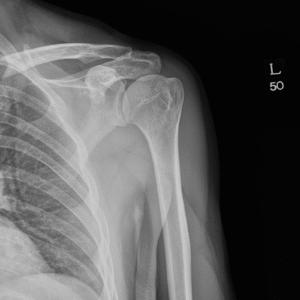
Frozen Shoulder
Frozen shoulder (adhesive capsulitis) causes increasing stiffness and pain that can develop over weeks or months, often with no clear cause. It usually responds to physiotherapy and targeted treatment, though some cases require further intervention to restore motion.
Read more about Frozen Shoulder →

Total Shoulder Replacement
Wear and tear of the shoulder joint’s cartilage can lead to chronic pain and stiffness that limits daily activities. When conservative treatment is no longer effective, total shoulder replacement can relieve pain and restore movement.
Read more about Total Shoulder Replacement →
Shoulder Instability & Dislocation
A shoulder that dislocates or repeatedly feels like it’s “giving way” may be unstable due to injury or generalised joint laxity. Treatment ranges from rehabilitation programs to arthroscopic stabilisation surgery for recurrent dislocations.
Labral Tears
The labrum is the cartilage rim that helps keep the ball of the shoulder seated in its socket. Tears — common in overhead athletes and after trauma — can cause pain, clicking, or instability, and may be treated with rehabilitation or arthroscopic repair.
Shoulder Impingement
Impingement occurs when the rotator cuff tendons are compressed during shoulder movement, causing pain with overhead activity. It often improves with physiotherapy and injections, though ongoing cases may benefit from arthroscopic subacromial decompression.
Shoulder Fractures
Fractures of the collarbone, upper arm, or shoulder blade can occur from falls, sports, or trauma. Treatment depends on the fracture pattern and may involve a sling and rehabilitation or surgical fixation.
AC Joint Injuries
Injuries to the acromioclavicular (AC) joint — where the collarbone meets the shoulder blade — are common in contact sports and falls. Mild injuries settle with rest, while more significant separations may need surgical repair.
Not sure which category your shoulder problem falls into? Dr. Haber consults at Sydney CBD, Macquarie University, Wollongong, and Campbelltown. Book an appointment for an accurate diagnosis and treatment plan.